
Port Harcourt’s Refuse Burden: A Test of Responsibility, Urban Pride
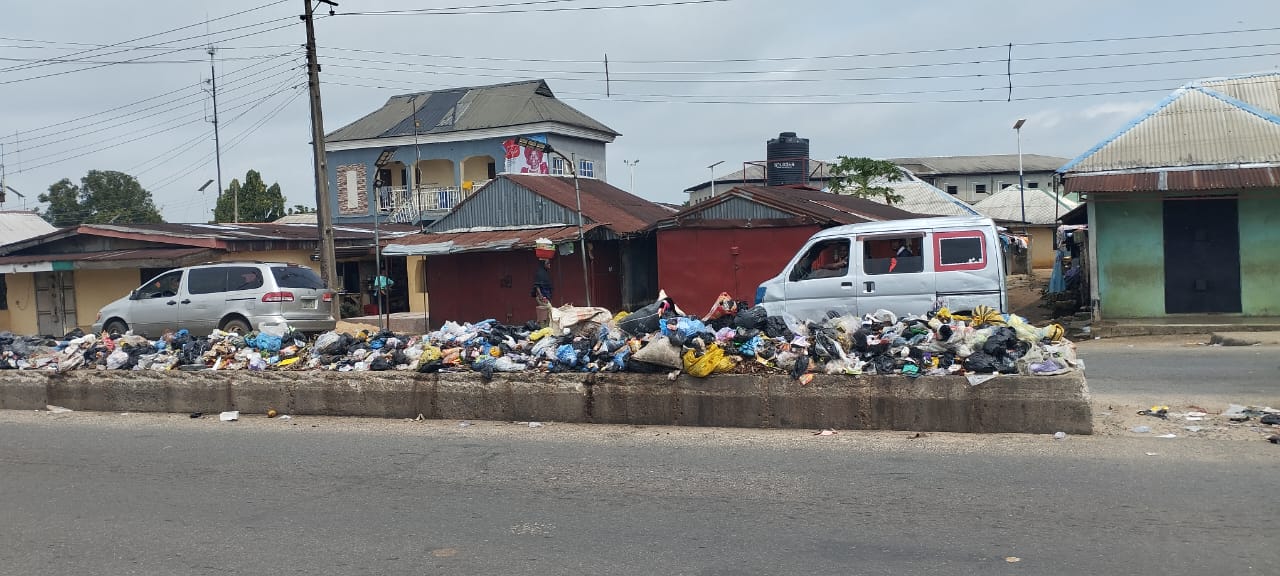
Port Harcourt’s reputation as the “Garden City” is steadily being undermined by the growing burden of uncollected refuse across key parts of the metropolis.
What was once a source of civic pride is now at risk of becoming a symbol of neglect, as heaps of waste continue to line major roads and commercial hubs.


Recent observations in areas such as Iwofe and Choba in Obio/Akpor Local Government Area paint a troubling picture. For days, refuse has remained uncollected, spreading across roadsides and strategic locations.
Beyond the unsightly appearance, the implications are far more serious, ranging from public health concerns to threats to road safety and economic activity.
Business owners around the St. John’s axis of Iwofe have raised valid concerns. The prolonged presence of waste not only exposes them and their customers to disease but also creates hazards for pedestrians and motorists.
When people can no longer cross roads freely due to refuse piles, it signals a deeper failure in urban management.
In Choba, the situation is no less alarming. A stretch of waste from the popular Tejod Junction to the Choba daily market has reportedly led to a decline in patronage, as customers avoid the area due to the offensive odour.
For traders who depend on daily sales, this is more than an inconvenience, it is a direct threat to their livelihoods. This situation demands urgent and coordinated action.
Waste management is not merely about aesthetics; it is a fundamental public service tied to health, safety, and economic stability. The relevant authorities must rise to the occasion by ensuring prompt evacuation of refuse and strengthening systems that prevent such lapses.
At the same time, residents and businesses also share a measure of responsibility. Proper waste disposal practices and cooperation with sanitation guidelines are essential in sustaining any long-term solution.
Port Harcourt cannot afford to lose its identity to avoidable environmental challenges. Restoring the city’s cleanliness is not just about clearing refuse, it is about reaffirming a collective commitment to order, public health, and urban dignity.


