
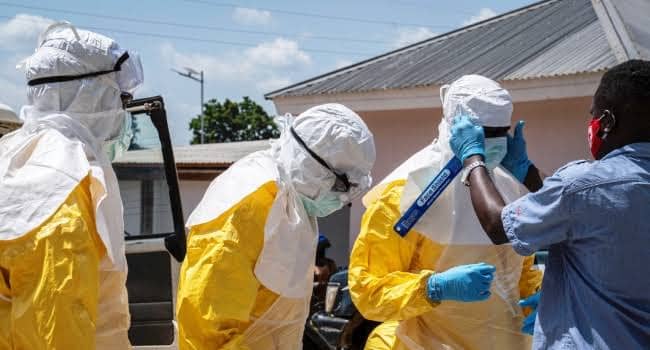
FG Confirms Ebola Case in Abuja, Places Hospitals Nationwide on High Alert
The Federal Government has confirmed a case of Ebola disease in the Federal Capital Territory (FCT), Abuja, and directed public and private hospitals across Nigeria to heighten surveillance and strengthen infection prevention measures to prevent further transmission.
The Coordinating Minister of Health and Social Welfare, Professor Muhammad Ali Pate, announced the development on Tuesday, October 20, following laboratory confirmation of the infection.

According to the minister, the patient is a woman who recently arrived in Nigeria on an international flight from Uganda. She was admitted to a private hospital in the FCT, where she received medical attention before the diagnosis was confirmed.
The patient is currently in isolation and receiving medical care, while public health authorities have commenced contact tracing to identify and monitor individuals who may have been exposed to the virus.
The government said 44 close contacts had been identified as of Tuesday, including healthcare workers, patients, caregivers and people who may have come into contact with the patient during her journey.
The Nigeria Centre for Disease Control and Prevention (NCDC), the FCT health authorities and other relevant agencies are coordinating efforts to contain the infection and prevent further spread.

Pate called on healthcare facilities nationwide to remain on high alert, urging medical personnel to promptly identify and isolate suspected cases, observe strict infection prevention and control procedures, and immediately report suspected infections to the appropriate public health authorities.
He also urged Nigerians to remain calm and vigilant, stressing the importance of early detection, prompt reporting and public cooperation in containing the disease.
The latest development comes amid heightened regional surveillance following Ebola infections reported in Kenya, linked to the wider outbreak of the Bundibugyo strain of the virus in the Democratic Republic of Congo.
Earlier, on October 7, 2026, the NCDC announced that Nigeria had no confirmed Ebola case at the time but was strengthening its preparedness after Kenya reported an imported infection. The agency said its measures included surveillance, laboratory diagnosis, isolation and referral, contact tracing, risk communication and protection of healthcare workers.
Nigeria previously recorded an Ebola outbreak in 2014 after an infected traveller, Patrick Sawyer, arrived in Lagos. The country contained that outbreak through isolation, contact tracing and coordinated public health interventions.
The Federal Government has urged residents to rely on verified information from public health authorities and cooperate with surveillance teams as investigations and contact tracing continue.
The NCDC has also made its toll-free call centre available around the clock on 6232 for public health information and reports of suspected cases.
Kristina Reports will continue to monitor developments and provide updates as more verified information becomes available.


