
EU Eyes Burutu Port: Is Delta Set For A Maritime Breakthrough?
Proposed Lagos–Burutu–Niger water corridor could reconnect coastal Delta to Nigeria’s inland trade network
ASABA — After years of being overshadowed by Nigeria’s better-known ports and transport corridors, Burutu Port in Delta State is back in the spotlight — this time with European Union interest and a potentially ambitious waterway connection to Lagos and the River Niger.

The European Union has identified Burutu as a strategic location with the potential to become an international maritime hub under a proposed Sea Link connecting Lagos, the Niger Delta and inland communities along the River Niger.
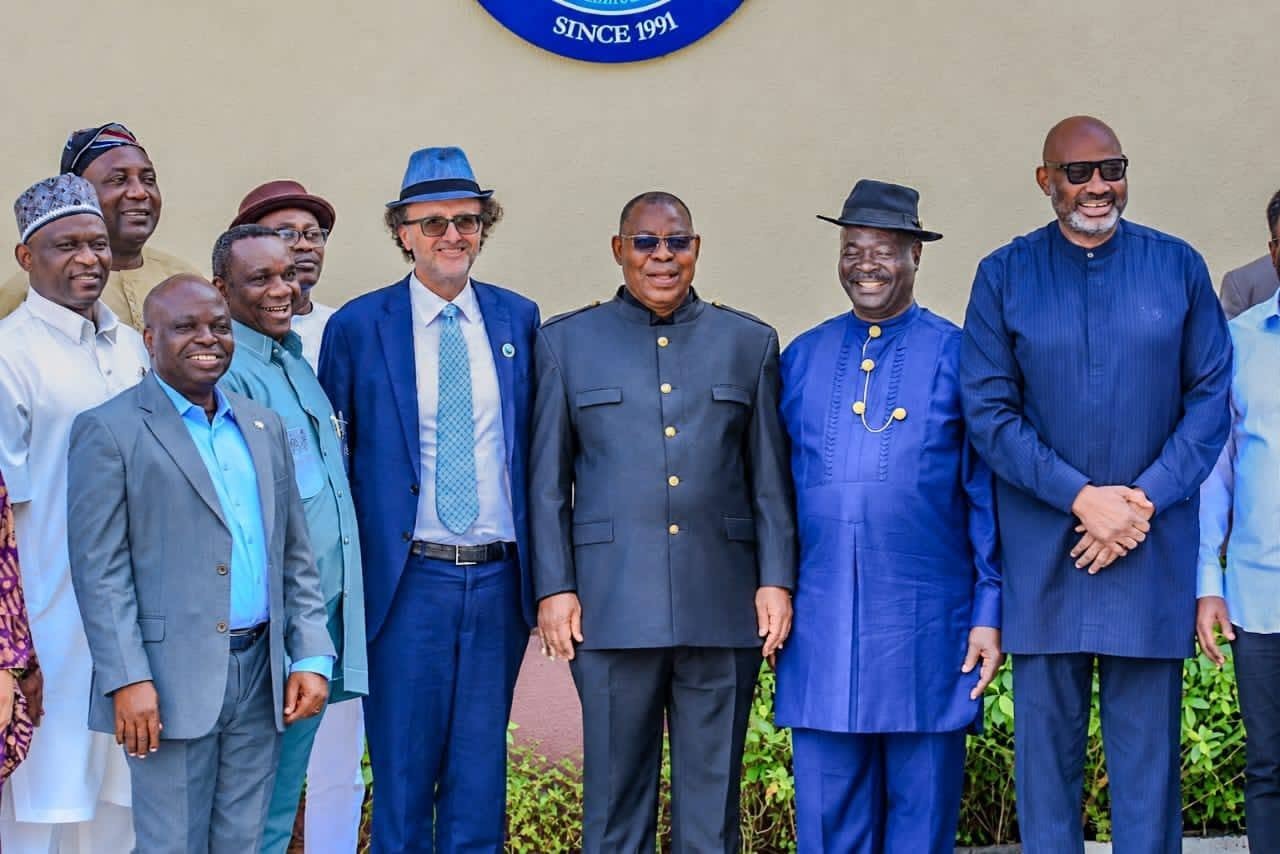
The proposal emerged during a visit by the EU Delegation to Nigeria and ECOWAS, led by Massimo De Luca, to the Delta State Government in Asaba.
But beyond the diplomatic language lies a potentially significant question: could Burutu become the missing link between Nigeria’s coastal economy and its inland waterways?
A corridor with big implications
The proposed route would connect Lagos through the coastal corridor to Burutu, before proceeding through the River Niger towards Onitsha and Ajaokuta.

On paper, the corridor would create a water-based connection between some of Nigeria’s major economic zones, potentially opening new opportunities in maritime transportation, logistics, commerce and inland-waterway trade.
For Burutu, the significance is even greater.
The proposed alignment places the community not merely as a destination along a waterway, but potentially as a strategic transition point between the Atlantic-facing coastal economy and Nigeria’s inland commercial network.
If eventually realised, such a corridor could change the economic conversation around Burutu and Delta’s waterways.
Government welcomes EU interest
Receiving the EU delegation on behalf of Delta State Governor, Sheriff Oborevwori, his Deputy, Monday Onyeme welcomed the proposal and expressed the State Government’s readiness to support its development.
The Governor highlighted Delta’s extensive waterways as a foundation for expanding the State’s blue economy, signalling the administration’s interest in converting the State’s maritime geography into greater economic value.
The EU interest therefore comes at a potentially important moment for Delta, where questions surrounding the utilisation of its waterways, maritime infrastructure and coastal economic assets have remained central to discussions about diversification.
But what happens beyond the proposal?
The announcement also raises a number of practical questions. Is the proposed Sea Link still at the conceptual stage, or has a formal feasibility process commenced?
What would be the estimated cost of developing the corridor? Who would finance and operate the required infrastructure? What facilities would need to be developed or upgraded at Burutu?
And critically, how would the proposed route interface with Nigeria’s existing ports, roads, railways and inland-waterway infrastructure?
These questions will determine whether the proposal evolves into a transformative infrastructure project or remains another ambitious plan on paper.
Burutu’s strategic moment?
The EU’s identification of Burutu is nevertheless significant.
For a community whose geographical position places it within one of the country’s most extensive networks of creeks, rivers and coastal waterways, international attention could provide fresh impetus for examining the economic possibilities of its location.
A functioning Lagos–Burutu–River Niger corridor could potentially support cargo movement, passenger transportation, logistics, riverine commerce and broader investment, depending on the outcome of feasibility studies and eventual infrastructure development.
It could also reinforce the argument for treating inland waterways as part of Nigeria’s wider national transport architecture rather than as isolated local routes.
From announcement to execution
For now, however, the Sea Link remains a proposal.
The next critical steps would be technical assessment, route feasibility studies, environmental and navigational assessments, investment planning, institutional coordination and clearly defined implementation timelines.
The real test, therefore, will not be the announcement of international interest in Burutu, but whether that interest translates into studies, funding, infrastructure and ultimately vessels moving between Nigeria’s coastal and inland markets.
For Delta State, the opportunity is potentially significant.
For Burutu, it could be even more consequential. And for Nigeria’s long-discussed ambition to unlock the economic potential of its inland waterways, the proposed Sea Link may provide an opportunity to revisit a question that has remained unresolved for decades:
Can Nigeria turn its waterways into a genuinely integrated trade corridor — and can Burutu become one of its critical gateways?


