
From Bonny to the World: Lesley John Jumbo Named National Geographic 2026 Young Explorer
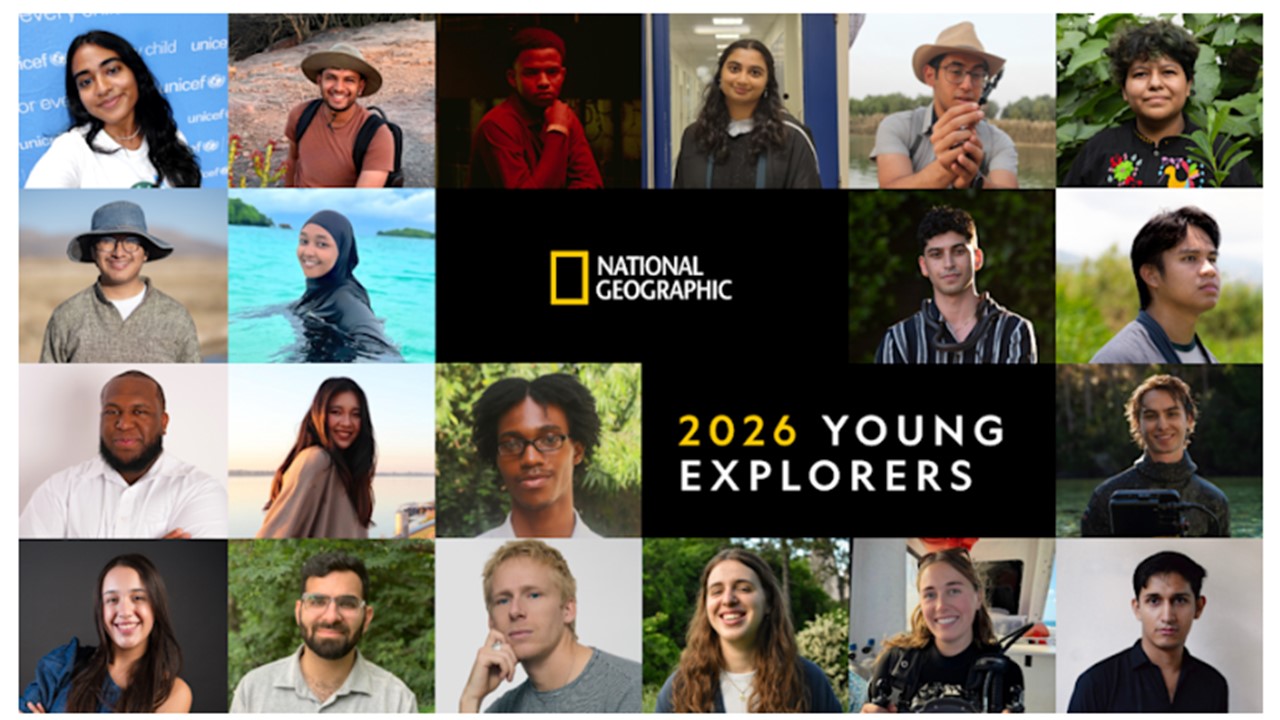
At 20, Bonny-born innovator Lesley John Jumbo has earned international recognition as one of the National Geographic Society’s 2026 Young Explorers, joining 19 other young innovators selected from more than 100 applicants across 17 countries for their work tackling environmental and social challenges.
For Bonny and the wider Niger Delta, Jumbo’s recognition carries significance beyond a personal achievement. It places a young innovator shaped by a landscape of creeks, wetlands, forests and coastal communities within an international community working at the intersection of technology, conservation and climate action.

The 2026 cohort brings together scientists, technologists, conservationists, storytellers and community advocates whose projects span marine restoration, biodiversity protection, climate resilience, cultural preservation and technology-driven conservation.
For Jumbo, however, the environmental challenge is deeply personal.
Growing up in an environment where waterways, mangroves, forests and human settlements exist in close proximity helped shape his understanding of the relationship between people and nature. That experience would later influence his decision to explore how technology could help communities better understand and protect threatened ecosystems.

Now based in Port Harcourt, Jumbo is developing forest-intelligence technologies through Reforest AI, working on hardware designed to operate within rainforests and capture ecological signals that can provide insight into what is happening inside threatened ecosystems.
His concept is straightforward but ambitious: make forests audible.
By combining electronics, embedded systems, ecology and community knowledge, Jumbo hopes to develop tools capable of detecting and interpreting environmental changes that may otherwise remain unnoticed until significant damage has occurred.
The idea has particular relevance in the Niger Delta, a region endowed with extensive wetlands, forests and waterways but also marked by longstanding environmental pressures associated with industrial activity and resource extraction.
Reacting to his selection, Jumbo described the recognition as both unexpected and motivating.

“Honestly, this still feels surreal. I’m 21, building out of Port Harcourt, and being named a National Geographic Explorer; picked from applicants from all over the world; confirms something I’ve held onto since day one: where you’re from doesn’t cap what you can build.”
He added:
“I didn’t chase this to win anything. I chased it because the climate fight needs people willing to actually get their hands dirty, and I’d rather be one of them than watch from the sidelines. This isn’t a finish line for me; it’s fuel.”
Jumbo also said he hoped his journey would encourage other young Nigerians with ambitious ideas.
“There are young Nigerians everywhere with world-class ideas and nobody telling them they’re allowed to dream this big. I want to be living proof that they are. We’re just getting started.”
Chief Operating Officer of Technoville Innovation Hub, Sodienye Pepple, described the recognition as the latest stage in a journey he had watched develop from an early interest in hardware and robotics.

“I have known and watched Lesley John Jumbo grow from a young boy experimenting with hardware and robotics to becoming an innovator whose work is now being recognised on a global stage,” Pepple said.
He described Jumbo’s selection as a reminder of what can happen when young people are given opportunities and platforms to develop their ideas.
“From Bonny and the Niger Delta to the global stage, Lesley represents the kind of talent we have always believed exists within our young people,” he said.
Jumbo’s emergence has been gradual. He previously participated in the National Geographic Slingshot Challenge, where he presented an early concept for using technology to protect rainforests and received top honours.
His work has subsequently attracted attention through features by the BBC, the Niger Delta Roundtable Podcast and a TEDx presentation. He was also named Top Innovator of the Year at South-South Media Week for his work with Reforest AI.
In Calabar, his early conservation-technology initiatives have also involved conversations with communities about changes occurring within their forests, reflecting his belief that technology is most valuable when it helps people understand their environment and respond to emerging challenges.
His latest recognition now places him alongside an international group of young explorers working across different disciplines and continents. The 2026 cohort includes marine conservationists, renewable-energy engineers, wildlife specialists, Indigenous environmental leaders, photographers, filmmakers and artificial-intelligence researchers.
As a Young Explorer, Jumbo will have access to funding, training, mentorship and a global network of experts and fellow explorers, with opportunities for continued support for his work.
According to the National Geographic Society, its Young Explorers initiative has, since 2020, supported 139 individuals from more than 40 countries, with more than $1.8 million invested directly in their work.
For Bonny, the significance of Jumbo’s achievement lies in the story behind the recognition: a young man whose formative environment was shaped by the same ecosystems he is now seeking to understand and protect through technology.
His journey from the waterways and forests of the Niger Delta to a global community of explorers is still unfolding. But already, it offers a compelling example of how ideas rooted in a local environment can evolve into solutions with international relevance.
This version keeps the current headline, removes some repetition, makes the transitions more natural, and gives the story a stronger newspaper feature/news profile character rather than reading like an award announcement.


